From the sun to photovoltaic panels: how solar energy powers our future
From the nuclear fusion powering the Sun to the electrical performance of photovoltaic panels for use in ATEX hazardous areas.
From the sun to photovoltaic panels: how solar energy powers our future
From the nuclear fusion powering the Sun to the electrical performance of photovoltaic panels for use in ATEX hazardous areas.
Renewable energy sources are playing an increasingly important role in power generation. These include wind, hydroelectric and solar energy.
The primary source of all these renewable energies is the Sun, a gigantic nuclear fusion reactor that continuously supplies energy to the entire Solar System.
The energy reaching the earth
Our star, the Sun, accounts for more than 99% of the total mass of the Solar System. This enormous concentration of mass enables nuclear fusion, a process that differs from the nuclear fission used in man-made terrestrial reactors.
Nuclear fusion generates an enormous amount of energy that reaches the Earth in the form of electromagnetic radiation, including visible light, heat (infrared radiation) and ultraviolet (UV) rays.
Virtually every aspect of life and modern civilization ultimately depends on the energy produced by the Sun. Renewable energy sources such as wind and hydroelectric power are indirect forms of solar energy exploitation, since solar radiation drives atmospheric circulation and the evaporation-condensation cycle that produces rainfall.
Solar energy does not reach every geographical area in the same way. The Earth's axial tilt and its revolution around the Sun create differences in solar exposure depending on location (latitude and longitude) as well as seasonal variations.
Even in a relatively small country such as Italy, solar irradiation varies significantly, ranging from approximately 1,200 kWh/m² in the northern regions to 1,800 kWh/m² in southern Italy and on the islands. [1]
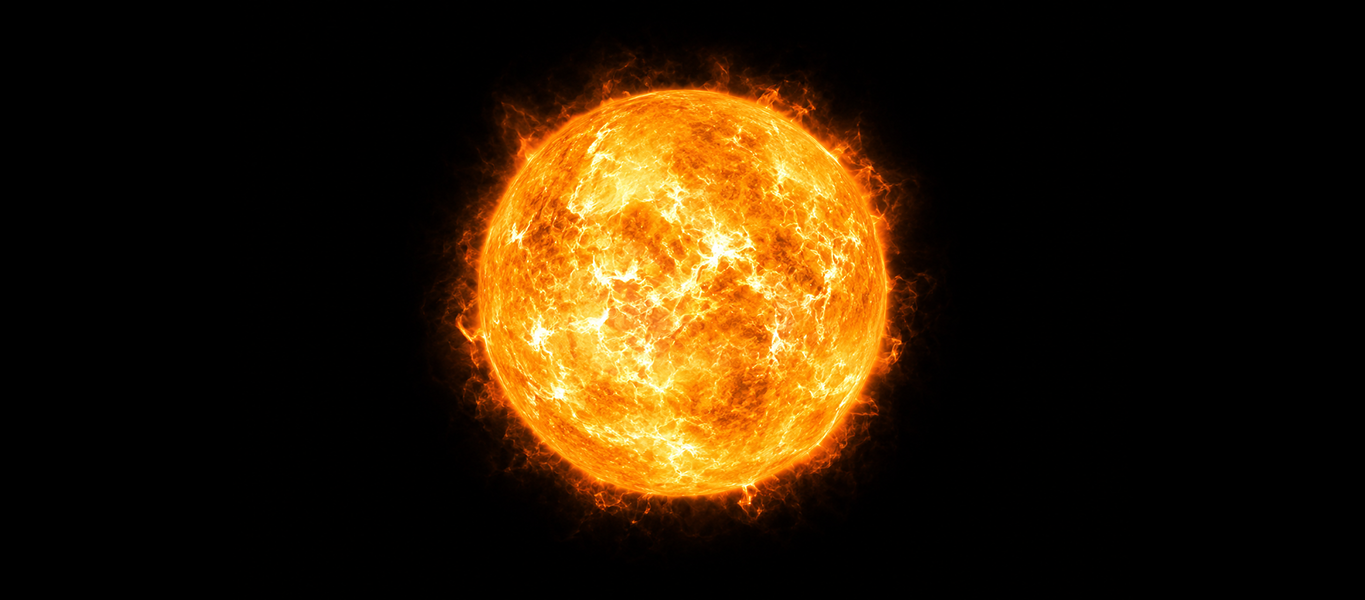
Figure 1 – The Sun: the primary source of energy in the Solar System
Photovoltaic panels and their electrical characteristics
The direct exploitation of solar energy is achieved through panels capable of absorbing incident electromagnetic radiation. The general public is familiar with two main types of solar panels: solar thermal panels, used to heat domestic hot water; photovoltaic panels, designed to generate electrical energy.
Photovoltaic panels are technological devices capable of converting part of the Sun's energy directly into electricity. The most widely adopted commercial technologies are polycrystalline silicon cells, which offer lower efficiency, and monocrystalline silicon cells, capable of converting solar energy into electricity with efficiencies ranging from 20% to 22%.
The most important electrical specification of a photovoltaic panel is its peak power, indicated as Pmax and expressed in Wp (Watt-peak). This value is measured under Standard Test Conditions (STC), corresponding to an irradiance of 1,000 W/m² and a cell temperature of 25°C. [2]
Another key parameter is the voltage at maximum power (Vmp). Together with the peak power rating, this value is essential for sizing the electrical system that will manage the energy generated by the photovoltaic installation.
The open-circuit voltage (Voc), on the other hand, is particularly important when selecting the appropriate inverter. [3]

Figure 2 – Cortem's new PFV-Ex photovoltaic panels, certified for Zone 1, 2, 21 and 22 hazardous areas
Conclusions
Photovoltaic systems have become a well-established technology for both industrial and residential applications. Cortem's new PFV-Ex photovoltaic panel series enables designers and engineers to develop solutions even for installations located in hazardous areas classified as potentially explosive atmospheres.
Electrical grids are not available everywhere, while there are many practical situations where independent power generation is essential. Typical examples include supplying lighting systems, powering signalling equipment, feeding remote electrical loads, or operating monitoring and data transmission devices.
References
[1] The European Union provides a comprehensive database and several useful tools for solar energy assessment through the Photovoltaic Geographical Information System (PVGIS).
[2] Peak power is measured under laboratory conditions using a light source that simulates the solar radiation reaching the Earth's surface, including the atmospheric absorption effects. The simulated light follows the standardized AM 1.5 solar spectrum.
[3] An inverter is the device that converts the direct current (DC) produced by photovoltaic panels into alternating current (AC), while also increasing the output voltage to the level required by the electrical system.