Potentially Explosive Atmospheres Caused by Combustible Dusts – Equipment Selection
With regard to explosion hazards due to the presence of combustible dusts, the correct matching between plant location and equipment follows the same logical approach used for potentially explosive gases. This symmetry is intentional, as it facilitates designers and installers in the selection and installation of the appropriate equipment. Let's see the choice of equipment based on EPL, dust group and maximum surface temperature.
by Andrea Battauz, R&D Manager of Cortem Group
Introduction
As discussed in the previous article, following the same approach adopted for gases, technical standards define classifications and parameters for combustible dusts capable of generating an explosion-risk atmosphere.
The most commonly used protection methods against dust explosion hazards are described in IEC/EN 60079-11 with regard to intrinsic safety, and in IEC/EN 60079-31 for the protection method defined as protection by enclosure “t”.
Typical Nameplate of an ‘Ex t’ Device
Equipment employing the ‘Ex t’ protection method features marking very similar to that used for the ‘Ex d’ or ‘Ex e’ protection methods intended for gases.
This is the most widely adopted protection concept for equipment suitable for potentially explosive atmospheres caused by combustible dusts, particularly with Equipment Protection Level (EPL) Db (marking ‘Ex tb’).On the nameplate of such a device, the following information appears in sequence:
- Type of protection
- Equipment dust group
- Maximum surface temperature of the equipment
- Dust EPL (Equipment Protection Level)
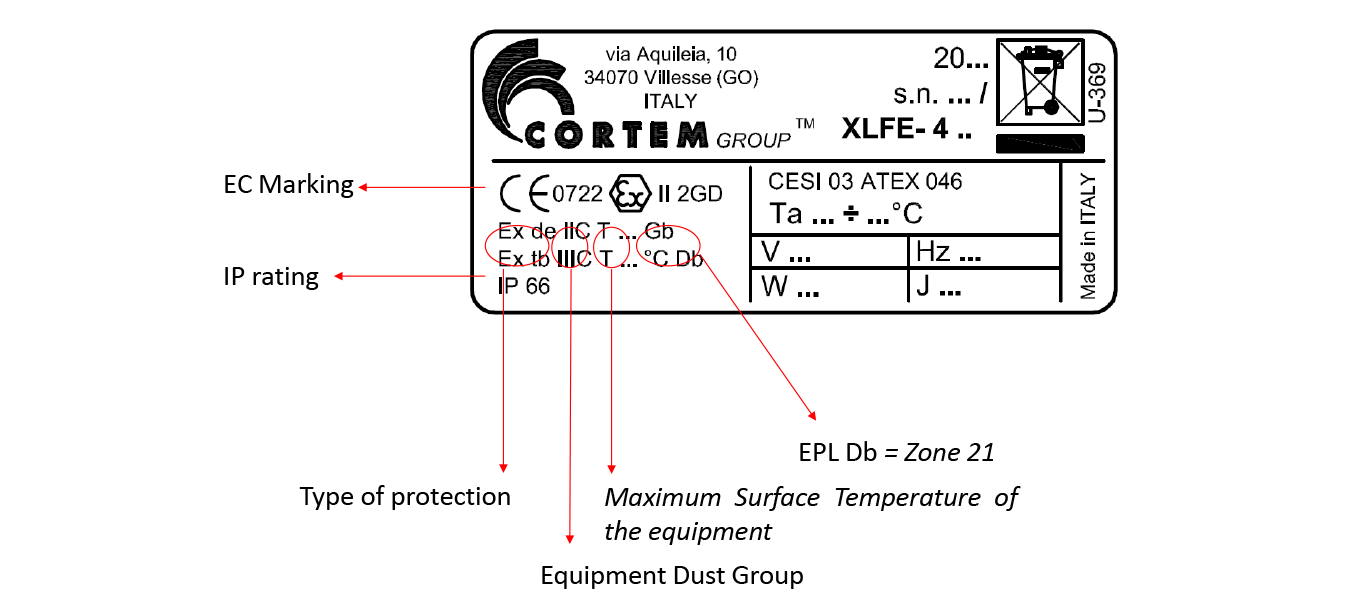
Figure 1 – Typical nameplate of a device with ‘Ex tb’ protection method
Equipment Selection According to the Protection Level (EPL)
Similarly to the case of potentially explosive gases, the standard provides the selection criteria for equipment intended for use in the presence of combustible dusts.
An initial selection must be made with respect to the installation zone.For ease of reference, the rules for equipment selection are summarized in the table below.
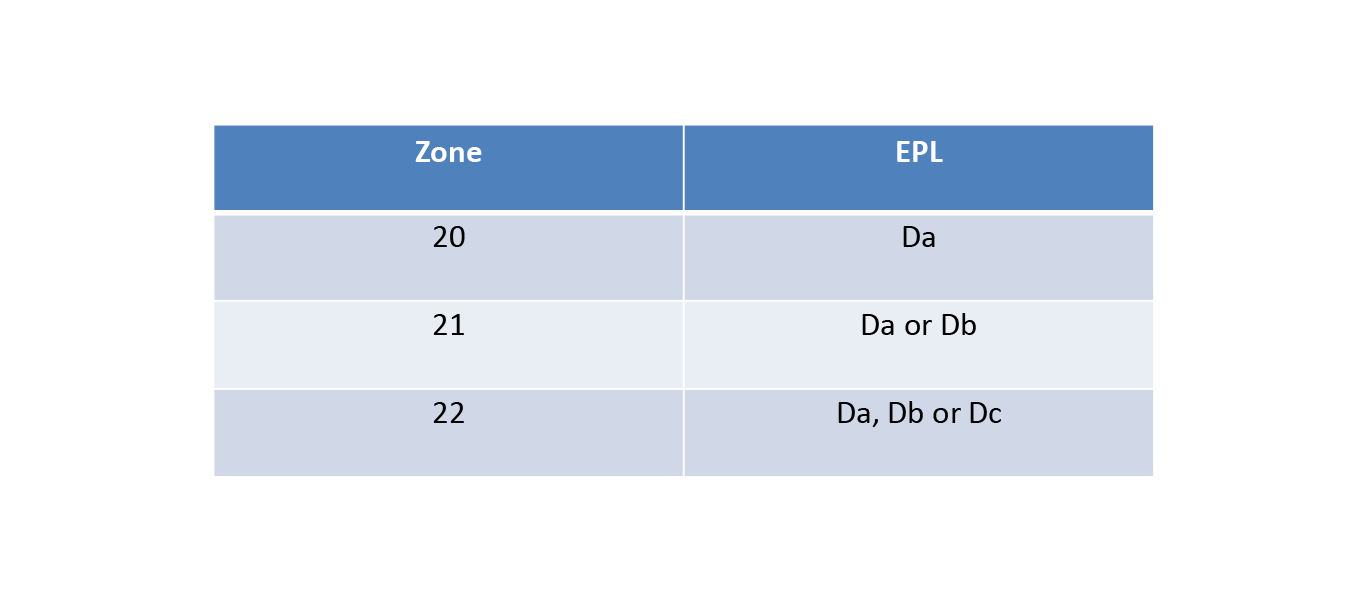
Table 1: Correspondence between Zone classified as at risk of explosion for combustible dust and EPL of the equipment
Equipment Selection According to the Combustible Dust Group
The second selection criterion concerns the combustible dust group.Here again, the similarity with the classification and selection criteria applied to potentially explosive gases is evident.
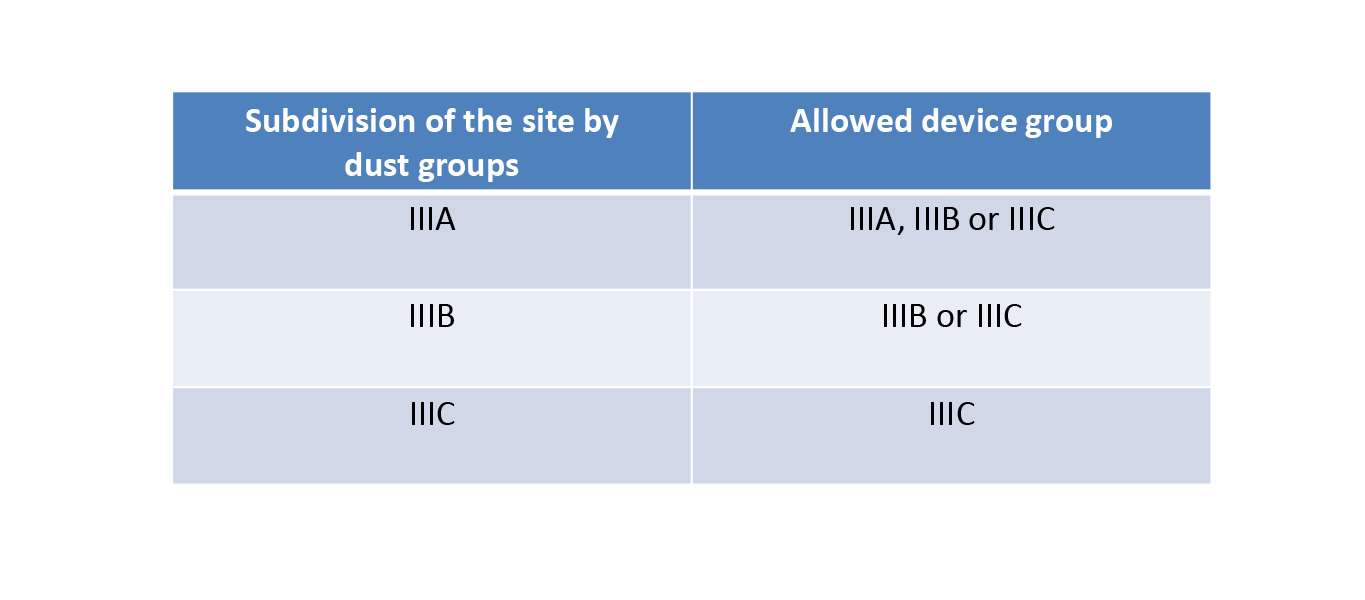
Table 2: Correspondence between Site Combustible Dust Group and Equipment Group
Equipment Selection According to Maximum Surface Temperature
Unlike the criteria relating to the installation zone and the combustible dust group, the selection of equipment based on maximum surface temperature differs from the approach used for potentially explosive gases.
In this case, the nameplate indicates the maximum surface temperature of the equipment, which must be compared with the dust Tmax value.The standard IEC/EN 60079-14 defines how the dust Tmax is to be determined.
As discussed in previous articles, dust is characterized by:
- A cloud ignition temperature, here indicated as TCL
- A layer ignition temperature, indicated as TL
The layer ignition temperature TL refers to a maximum dust layer thickness of 5 mm [1].
The dust Tmax is determined by selecting the lower of the following values:
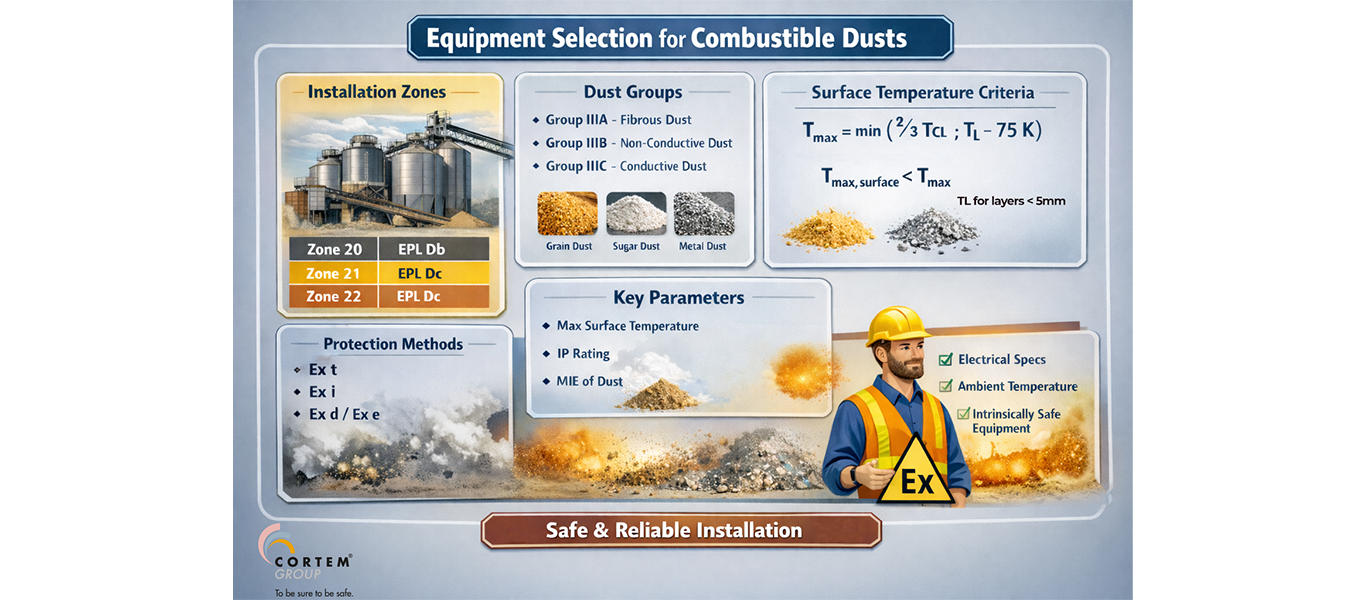
Tmax = min (2/3 TCL; TL-75K)
where TL refers to a dust layer thickness not exceeding 5 mm.
As expected, the maximum surface temperature of the equipment shall be lower than the dust Tmax:

Conclusions
With regard to explosion hazards due to the presence of combustible dusts, the correct matching between plant location and equipment follows the same logical approach used for potentially explosive gases.
This symmetry is intentional, as it facilitates designers and installers in the selection and installation of the appropriate equipment. The ultimate objective remains the achievement of a plant that is both safe and reliable.
In addition to the parameters discussed in this article—which represent the primary selection criteria—other factors must also be evaluated. These include, for example:
- Electrical parameters
- Ambient temperature
- Equipment IP rating
- In the case of intrinsically safe equipment, the Minimum Ignition Energy (MIE) of the combustible dust
Reference Standards and Bibliography
[1] If a dust layer thickness greater than 5 mm is expected, the standard provides methods and guidance to determine a more stringent temperature parameter.